AI Translator Manufacturer: A Complete Buying Guide
Author:Yoda . 10/19/2026
As a primary manufacturer of digital signage, Yoda shares expert insights on how to select an AI translator. This guide is designed to help procurement teams navigate the process of working with AI translation kiosk manufacturers more efficiently. As these devices become essential infrastructure for international-facing venues, choosing the right direct manufacturer is critical to ensuring both delivery quality and cost-effectiveness. We recommend reading this entire guide before requesting a quote—clarifying your specific requirements is far more important than simply pushing for a lower price.
What Is an AI Translator, and Why Work Directly with a Manufacturer?
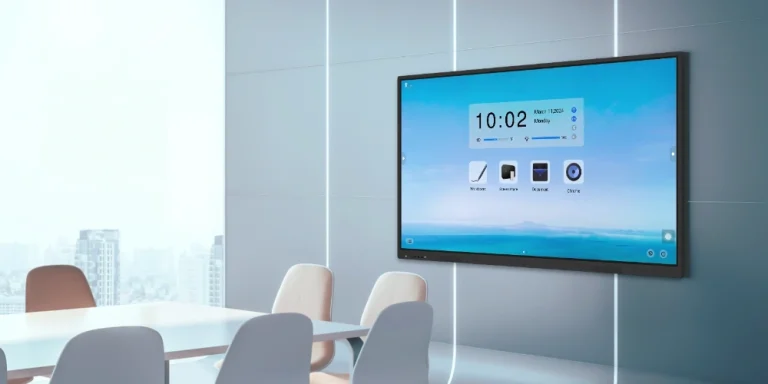
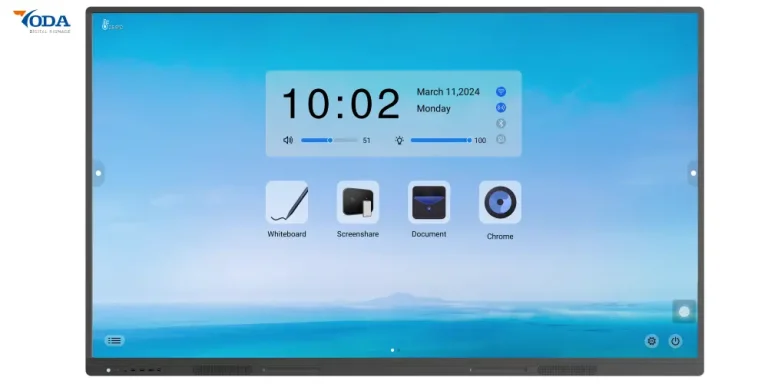
In our definition, an “AI Translator” is a dual-screen smart translation terminal—often referred to in the industry as a “dual-screen AI translator” or “AI translation kiosk.” It features real-time voice translation, with a main screen for the user and a secondary screen for the person they are speaking with, making it ideal for environments with frequent cross-lingual communication. As a direct manufacturer, we offer full customization, including firmware modifications and enclosure redesigns tailored to specific use cases. These multilingual digital signage solutions allow visitors to communicate independently in their native language, reducing the burden on front-desk staff. While we also produce stretched-bar LCDs and smart boards, the AI translator remains our flagship product.
How to Evaluate an AI Translator Manufacturer
We recommend a five-step system to assess whether a manufacturer of translation terminals is reliable:
1. Verify Manufacturing Ownership: Ask the supplier to confirm that they own the factory. Request video footage of their production lines and their business licenses to ensure you are dealing with a genuine manufacturer rather than a trading company posing as one.
2. Request and Test a Prototype: Always insist on testing a prototype before moving to mass production. Evaluate the screen brightness, the fluency of the translation, and the responsiveness of the touchscreen over several hours of continuous use.
3. Confirm Customization Capabilities: Clearly define the scope of OEM/ODM services—such as custom boot logos, pre-installed APKs, wallpapers, firmware, hardware interfaces, enclosure design, and silk-screen printing—and ensure these are explicitly detailed in your contract.
4. Check Relevant Certifications: Ensure the manufacturer provides certifications appropriate for your target market (e.g., UKCA, CE, RoHS, or FCC). Verify that these certificates are specific to your destination region, rather than generic, non-specific templates.
5. Clarify After-Sales Policies: Establish clear terms regarding spare parts (based on a percentage of your order volume) and direct factory support for defective units. Before placing an order, confirm the lead times, warranty coverage, and the process for repairs or returns.
Our touchscreen translator offers a stable user experience. With a simple five-step screening process, you can filter out most substandard suppliers. A piece of advice: don’t just look at the unit price—consider whether the factory can support you throughout the entire journey, from the initial prototype to long-term repeat orders.

Yoda’s OEM/ODM Customization and Manufacturing Capabilities
At Yoda, we operate our own production lines, maintaining full control over the entire process—from molds to firmware. Our OEM/ODM customization services include: custom boot logos and animations, pre-installed APKs, system wallpapers, channel-specific firmware version locking, modifications to interfaces and enclosures, as well as custom packaging and silk-screen printing. We always provide prototypes before mass production to ensure the final product aligns perfectly with your expectations. We also hold necessary certifications, including UKCA, CE, RoHS, and FCC. We provide a proportional stock of spare parts, with direct factory-to-site replacement for any defective units. Lead times are determined on a case-by-case basis depending on the specific configuration. We welcome requests for prototypes and can provide real-world performance data tailored to your specific use case.
As an OEM/ODM provider of digital signage, we prioritize long-term partnerships and repeat business over one-off, low-cost transactions. If you are expanding your smart signage network, this device can be integrated into your broader strategy.
Deployment Scenarios: How AI Translators Are Used in Various Settings
In Hotel Lobbies
We deploy Yoda dual-screen translators in hotel lobbies to assist international guests. The main screen displays a multilingual welcome interface, while the secondary screen—facing the front-desk staff—provides real-time translation (e.g., between English, Japanese, and other languages). We customize the boot animation and brand color scheme within the firmware, allowing the device to feel like a seamless extension of the front-desk team. Designed for moderate brightness, it can operate for hours, with pre-installed vocabulary and welcome messages tailored to specific floors or languages.
In Hospital Waiting Rooms
In hospital waiting rooms, these translators help international patients communicate their symptoms to triage staff. The touchscreen interface allows patients to select their native language and icons representing specific symptoms; the secondary screen then displays the corresponding information in Chinese for medical personnel. We pre-install department-specific vocabulary into the APK, ensuring the device is ready for use the moment it’s powered on. We offer flexible, configuration-based pricing and can provide real-world data from specific medical departments to support your deployment.
In Shopping Malls
In shopping malls, we utilize these translators to assist international tourists and facilitate communication between shoppers and retail staff. Serving as a component of a multilingual digital signage system, the main screen provides floor navigation and promotional information, while the secondary screen facilitates two-way translation. We embed mall maps and brand logos directly into the firmware, locking the software version to prevent unauthorized modifications. In the event of a hardware failure, replacements are shipped directly from the factory, ensuring continuous operation during peak periods.
How is it used in airport terminals?
We deploy our dual-screen “Yoda” translation terminals in airport terminals to overcome communication barriers at check-in, security, and transit points. The devices remain on standby 24/7; the main screen offers multilingual guidance, while the secondary screen provides real-time translation, helping to alleviate pressure on service counters. We ensure compliance with regional standards—such as UKCA or FCC—and utilize impact-resistant casings. We provide prototype units for testing based on actual foot traffic scenarios, using the resulting data to guide production and guarantee stability during high-demand periods.

Frequently Asked Questions (FAQ)
Q: Which languages does the Yoda AI Translator support?
A: The device comes pre-loaded with multilingual voice packs covering 108 languages—including English, Japanese, Korean, French, German, and Spanish—with the flexibility to add or remove languages at the firmware level. As the original manufacturer, we can customize vocabulary databases and user interfaces to suit your specific target audience, ensuring the device is ready for use immediately upon startup. We provide empirical data based on real-world testing for specific languages, rather than making vague, unsubstantiated claims.
Q: What is the lead time for purchasing translation terminals directly from the manufacturer?
A: We follow a “prototype-first, then mass-produce” process; lead times are determined on a case-by-case basis depending on the specific configuration. Our customization services—including brand logos, APK integration, and firmware modifications—offer faster turnaround times than those provided by third-party traders. We maintain a strategic inventory of spare parts, and in the event of a hardware failure, we ship replacements directly from the factory, ensuring seamless maintenance and a worry-free procurement experience.
Q: Can hotel branding elements be incorporated into the translation terminals?
A: Yes. We offer comprehensive OEM/ODM customization, including custom startup logos, animations, wallpapers, device casings, and screen printing. For hotel lobbies, we can embed your brand colors and welcome messages directly into the firmware, effectively turning the device into an extension of your front-desk team. We lock the software version to prevent unauthorized changes at individual locations, and we supply the units directly from our factory.
Q: What certifications are required for translation terminals used in hospital settings?
A: We provide devices that meet the necessary standards for your target market—such as UKCA, CE, RoHS, or FCC—as compliance is particularly critical for equipment used in public spaces like hospitals. For settings like hospital waiting rooms, we pre-install department-specific terminology databases into the APK, ensuring the device is ready for use the moment it’s powered on. We also provide region-specific certification documentation to facilitate your acceptance and inspection process.
Q: Do you accept small-batch orders for customized translation devices?
A: As a custom signage manufacturer, we welcome small-to-medium batch OEM/ODM orders. Production begins once a prototype is approved, with configurations tailored to each specific order. Whether for trade shows, pop-up events, or retail chains, we develop solutions based on your unique environment and encourage prototype testing to minimize risk for your initial order. We support you throughout the entire journey—from the initial prototype to repeat orders.
Q: How are after-sales support and spare parts handled?
A: We maintain an agreed-upon inventory of spare parts, with replacements shipped directly from our factory—bypassing multiple layers of intermediaries. Warranty terms and repair procedures are clearly defined in our contracts, and firmware is locked by channel to streamline troubleshooting. We prioritize long-term partnerships, ensuring direct access to the manufacturer to minimize inefficiencies.
Key Takeaways
Before finalizing a purchase, we recommend evaluating five key areas: production capabilities, prototype development, customization, certifications, and after-sales support. As the original manufacturer (Yoda), we offer OEM/ODM customization and factory-direct delivery. Our devices are well-suited for environments such as hotel lobbies, hospital waiting rooms, shopping malls, and airport terminals. We suggest requesting a prototype for real-world testing, followed by order-specific production planning—effectively containing any potential risks to the prototype phase.