How to Choose the Right Mobile Outdoor Digital Signage
Author:Yoda . 8/31/2026
Why is mobile outdoor digital signage gaining popularity? Unlike fixed screens that are immovable once installed, mobile screens follow the crowd. Whether for retail promotions, trade show roadshows, or real estate launches, you can simply roll the screen to wherever the people are. At Yoda, a B2B digital signage manufacturer, we’ve seen the fastest growth in inquiries for mobile outdoor screens over the past two years. This guide helps you make the right choice for your scenario and avoid wasting money.
What is mobile outdoor digital signage?
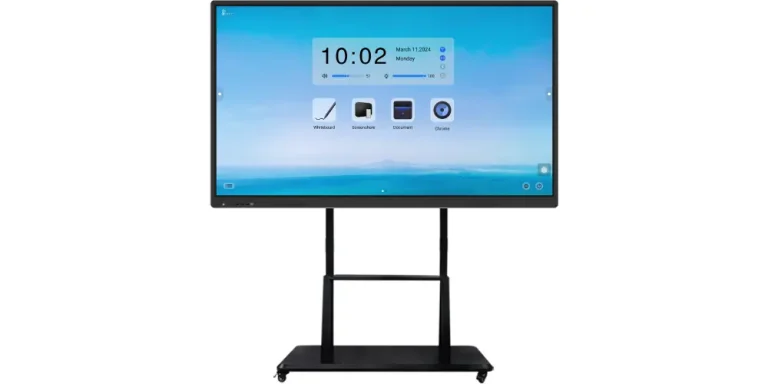
Mobile outdoor digital signage is an all-in-one unit integrating a high-brightness display, battery, mobile stand, and outdoor-grade protection. It is designed for outdoor use—ready to roll and operate immediately—and can run on either mains power or battery. Its key advantages over fixed outdoor screens are mobility and an independent power supply, making it ideal for temporary, mobile, or multi-location deployments.
Yoda wants to emphasize one point: “mobile” does not mean compromising on quality. Essential outdoor features—such as high brightness, waterproofing, and effective heat dissipation—are non-negotiable.
How to choose based on five key scenarios
Scenario 1: Mobile Outdoor Digital Signage for Retail Stores
Retail stores use these screens for storefront promotions and to draw traffic for new products. The screen must be bright (starting at 2000 nits), visually appealing, and capable of quick content updates. Yoda’s retail-focused mobile screens can be rolled to the entrance in the morning and back inside at night; a single screen can do the work of a dedicated sales promoter.
Scenario 2: Mobile Outdoor Digital Signage for Events and Trade Shows
Trade shows involve large crowds, intense lighting, and frequent relocation. Key considerations include battery life (at least 8 hours), smooth-rolling casters, and ease of movement for a single person. Yoda’s event-focused models offer all-day battery life, ensuring a stress-free setup and teardown process.
Scenario 3: Mobile Outdoor Digital Signage for Restaurants and Promotions
Restaurants can roll the screen to the entrance to display daily specials or combo meal posters. The priorities here are rapid content updates and resistance to water and grease. Yoda supports remote content updates via mobile phone, allowing menus to be refreshed in just 30 seconds before the lunch rush.
Scenario 4: Mobile Outdoor Digital Signage for Shopping Centers
High foot traffic in mall atriums and outdoor plazas demands screens that are large and bright, yet safe, stable, and tip-resistant. Yoda’s mall-specific models feature weighted bases and anti-tip designs, ensuring peace of mind for parents passing by with their children.
Scenario 5: Mobile Outdoor Digital Signage for Real Estate Advertising
For property launches and roadside traffic direction, screens must withstand continuous outdoor operation, including sun exposure and rain. Key features include IP65 protection, wide-temperature operation, and long battery life. Yoda’s real estate models can operate continuously all day in sunny weather and last through a three-day launch event without recharging.

Six Selection Criteria
Four-Step Selection Process
At Yoda, our engineers typically ask, “Where will you primarily use it, and for how long each day?” before recommending a specific configuration, ensuring customers don’t purchase the wrong model.
Why Choose Yoda (A Direct Manufacturer)?
When it comes to mobile outdoor screens, there is a significant difference between buying from a trader and buying directly from the source factory. Yoda owns its own digital signage factory, controlling the entire process from panel sourcing to final assembly. Our advantages lie in five key areas:

mobile outdoor digital signage FAQ
Q1: How bright does a mobile outdoor screen need to be?
A: For direct outdoor sunlight, at least 2000 nits is required; 1000–1500 nits is sufficient for shaded or semi-outdoor areas. Anything below 1000 nits is generally difficult to see outdoors.
Q2: Can it be used in the rain?
A: Yes. An IP65 or higher protection rating ensures resistance to rain and dust; all Yoda outdoor models are designed to this standard.
Q3: How long does the battery last?
A: Typically around 8 hours, with a long-endurance version lasting up to 12 hours. Options for swappable batteries or solar charging are also available.
Q4: Can one person move it?
A: Yes. Yoda’s mobile screens feature industrial casters and a foldable design, allowing a single person to move them easily while saving space during transport.
Q5: How is the content updated?
A: Content can be updated remotely via smartphone or computer. You can schedule power on/off times and manage multiple screens centrally, eliminating the need to visit the site in person.
Q6: Can it be customized for our specific use case?
A: Yes. At Yoda, we support OEM/ODM services, allowing for full customization of dimensions, brightness, battery life, and appearance to suit your specific deployment environment.
Summary
The key to selecting the right mobile outdoor digital signage lies in first clarifying “where” and “how long” it will be used, and then evaluating options based on six criteria: brightness, protection, battery life, mobility, heat dissipation, and system specifications. From retail stores and trade shows to dining establishments, shopping malls, and real estate developments, Yoda is committed to scenario-specific customization, ensuring every mobile screen performs effectively in its intended setting. If you would like a selection proposal tailored to your specific use case, please feel free to contact us at Yoda.