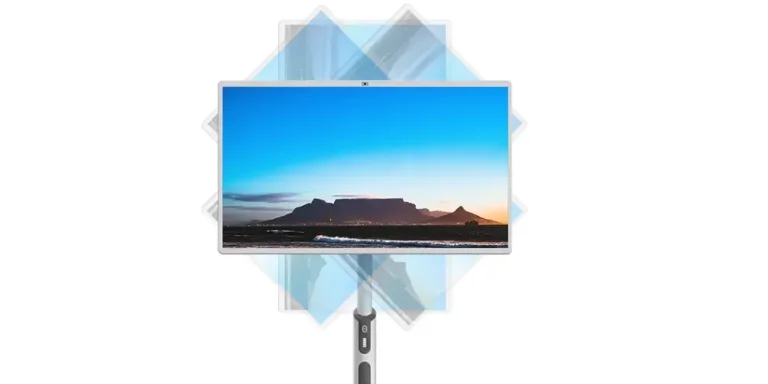
Stretched Displays for Smart Shelf Solutions
Author:Yoda . 7/13/2026
In today’s rapidly digitalizing retail landscape, Yoda has noticed a growing number of stores facing the conflict between space constraints and information display needs in shelf space. Screen stretch technology was developed to address this pain point—it uses strip-shaped screens with non-standard aspect ratios to display dynamic content within limited shelf space.
As a B2B digital signage manufacturer, Yoda has been deeply involved in the screen stretch field for many years. The core advantage of strip screens lies in their ability to perfectly fit the narrow space of shelf shelves, neither obscuring the merchandise itself nor hindering the effective display of promotional information, price changes, and inventory status.
How Smart Shelves Benefit from Screen Stretch
The core of smart shelf solutions lies in the deep integration of screen stretch displays with sensors and content management systems. Yoda has summarized three key benefits from actual projects:
1. Real-time Price and Promotion Updates
Replacing traditional paper labels is time-consuming and prone to errors. After deploying screen stretch displays, stores can update prices and promotional information for all shelves with a single click through a central management system, significantly reducing labor costs.
2. Enhance Customer Interaction
Screen stretch displays support dynamic video and animation content playback. Our Yoda screen stretch products support full HD display, allowing short product introduction videos to play while customers browse the shelves, effectively extending customer dwell time.
3. Intelligent Inventory Alerts
Combined with RFID or weight sensors, screen stretch displays can show real-time inventory status. When the inventory of a product falls below a threshold, the screen automatically switches to a replenishment alert, helping store managers respond promptly.

How to Choose the Right Screen Stretch Display
When choosing a screen stretch product, Yoda recommends evaluating the following aspects:
Screen Ratio and Size
Common screen stretch ratios include 16:4, 16:5, and 32:9. Shelf height determines the available screen height. Yoda offers various sizes of strip screens and can customize according to actual shelf dimensions.
Brightness and Viewing Angle
Retail environments have complex lighting conditions; we recommend a brightness of at least 500 nits for the screen stretch display. Our Yoda screen stretch products boast a brightness of up to 700 nits, ensuring clear content display even under strong sunlight.
Interfaces and Compatibility
Ensure your screen stretch displays support standard interfaces such as HDMI and USB, and are compatible with your store’s existing content management platform. Yoda’s screen stretch products support multiple signal input methods and are compatible with mainstream digital signage software.
Installation and Deployment Guide
Yoda has summarized a standardized screen stretch installation process for our customers:
Step 1: Site Survey. Measure the length, height, and depth of the shelf panels to confirm the power cabling plan. The screen stretch display mounting brackets must be compatible with the shelf structure.
Step 2: Screen Fixing. Use dedicated snap-on brackets to fix the screen stretch displays to the front edge of the shelf panels. Our Yoda installation kits support tool-less quick-release design, allowing for installation by a single person.
Step 3: Signal Connection. Connect each screen stretch display to a splitter or media player via an HDMI cable. Yoda recommends using a cascading-enabled player for unified management of content output from multiple screens.
Step 4: Content Testing. Create a custom template for Screen Stretch in your content management system, set the appropriate resolution and aspect ratio, and test the content playback effect to ensure that text and images are displayed completely on the screen.
Content Design Best Practices
The aspect ratio of Screen Stretch displays is unique, requiring targeted optimization of content design. Yoda recommends following these principles:
【Yoda Brand Recommendation】
Yoda specializes in digital signage manufacturing. Our Screen Stretch product line covers various sizes from 15 inches to 86 inches and supports customized aspect ratios. Our products are certified by FCC, CE, RoHS, UKCA, ISO9001, and other international standards, suitable for the global retail market. Contact us for a personalized quote and technical support for your smart shelf display solution.

FAQ
Q1: What is the lifespan of the Screen Stretch display?
Our Yoda Screen Stretch products use industrial-grade LCD panels with a continuous lifespan of over 50,000 hours, meeting the 24/7 operational needs of retail stores.
Q2: Can the Screen Stretch screen operate in low-temperature environments?
Yes. Our Yoda Screen Stretch strip screens support an operating temperature range of -20°C to 60°C, suitable for special scenarios such as refrigerated shelves.
Q3: How do I manage the content on multiple Screen Stretch screens?
Yoda recommends using a centralized content management system that supports batch content push via the cloud or LAN, and allows for group management by store, region, or shelf level.
Q4: What is the power consumption of the Screen Stretch display?
For example, our Yoda 28-inch Screen Stretch product has a typical power consumption of approximately 15W, far lower than traditional displays of the same size, helping stores control operating costs.
Q5: Does it support touch interaction?
Yes. Our Yoda Screen Stretch products can be equipped with an infrared touch frame, enabling customers to interact with the system, such as checking prices and viewing product details.
Q6: Does installing Screen Stretch require modifications to existing shelving?
Usually not. Our Yoda installation kits are compatible with most mainstream shelving models and can be installed directly with a snap-fit mechanism in most cases, without requiring any changes to the shelving structure.
Summary
Screen Stretch technology is enhancing the way information is displayed on smart shelves. From real-time price updates to inventory alerts, from customer interaction to brand presentation, the value of the strip screen permeates every aspect of retail operations. Yoda will continue to invest in Screen Stretch product development to provide more efficient digital shelving solutions for global retail customers. If you are planning a smart shelving project, please contact our Yoda team for professional Screen Stretch selection advice and technical support.