Interactive Kiosk Touch Screen vs Traditional Information Kiosk
Author:Yoda . 3/30/2026
In the digital signage field, the comparison between Interactive Kiosk Touch Screen and traditional kiosks is increasingly becoming a focus for businesses. Yoda, as a professional digital signage solutions provider, delves into the core differences, application scenarios, user experience, and future development trends of these two technologies to help businesses make more informed decisions.
What is an Interactive Kiosk Touch Screen?
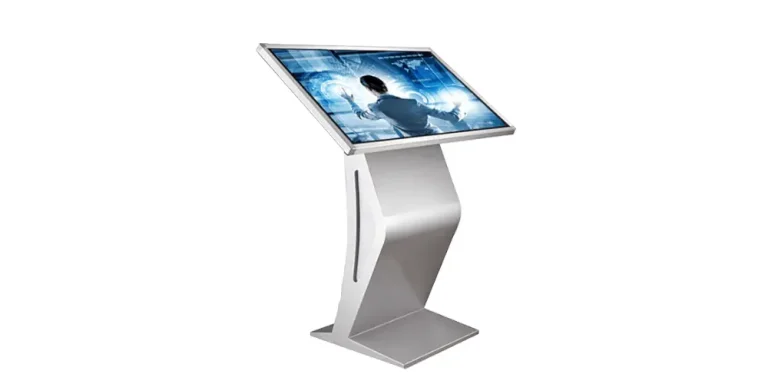
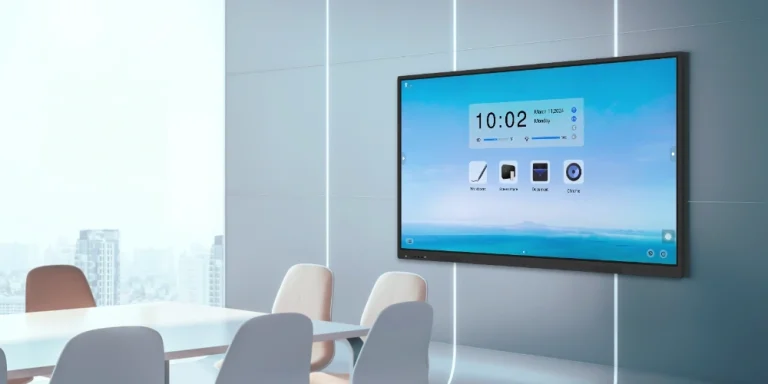
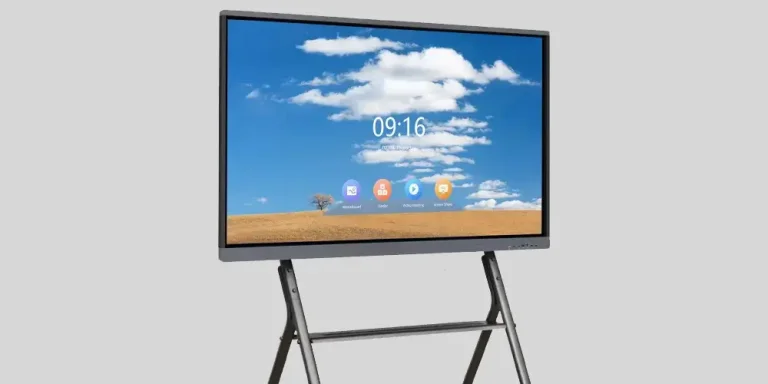
An Interactive Kiosk Touch Screen is a self-service terminal that integrates touchscreen technology. Users can interact with the device through an intuitive touch interface to obtain information, complete transactions, or request services. These devices typically feature high-definition displays, advanced touch recognition systems, and robust back-end server support.
Yoda’s interactive kiosk touch screen uses the latest capacitive touch technology, supports multi-touch recognition, and comes in sizes ranging from 32 inches to 55 inches with 4K resolution, ensuring a clear and smooth interactive experience. The devices run on Android or Windows systems and can come pre-installed with various applications.
Key features include:
Characteristics and Limitations of Traditional Information Kiosks
Traditional Information Kiosks typically refer to static display terminals without touchscreen functionality, primarily used to display fixed content, advertisements, or navigation information. These devices have low screen resolution, require manual intervention for content updates, and lack user-device interaction.
Typical characteristics of traditional information kiosks:
These devices are gradually being phased out of the market. Modern enterprises prefer interactive touchscreen solutions to meet consumers’ demands for convenient and personalized services.

Advantages of Interactive Kiosk Touch Screen
Compared to traditional information kiosks, interactive touch screen information kiosks offer significant advantages across multiple dimensions.
| Functional Dimensions | Interactive Kiosk Touch Screen Traditiona | Information Kiosk |
| User Interaction | Supports multi-touch and gesture recognition | does not support interactive functions |
| Content Updates | Real-time remote updates | requires manual intervention |
| Data Tracking | Complete user behavior analysis | cannot track data |
| Display Quality | 4K high resolution, accurate color | typically 1080P |
| Application Expansion | Supports various customized application development | limited and fixed functionality |
| ROI | High; strong user stickiness | low; gradually being phased out |
Application Scenario Analysis
Interactive Kiosk Touch Screens are widely used in multiple industries and scenarios, demonstrating outstanding commercial value.
Retail and Service Industries
In retail stores, bank branches, and medical institutions, customers can quickly and easily access information, book services, or complete simple transactions through touch screen kiosks. Yoda’s solutions have been successfully deployed in over 500 retail terminals and financial institutions worldwide, with over 1 million daily interactions.
Public Facilities and Information Services
Interactive kiosk touchscreens are deployed in public places such as airports, train stations, and scenic spots to provide tourists with navigation, ticketing information, and multilingual support, significantly improving service experience and operational efficiency.
Internal Enterprise Applications
Large enterprises use these for employee self-service, meeting scheduling, visitor registration, and other scenarios, improving office efficiency and reducing administrative burden.
Yoda’s Technological Advantages
As a leading global manufacturer of digital signage, Yoda possesses several core competitive advantages in the interactive kiosk touch screen field:

User Experience Comparison
From the end-user’s perspective, the interactive kiosk touch screen offers a significantly superior experience compared to traditional solutions:
Intuitive and Easy to Use
The touchscreen interface follows modern UI/UX design guidelines, reducing the learning curve for users. Yoda’s kiosk supports voice navigation and gesture recognition, making it easy for even the elderly to use.
Personalized Services
The system can recommend relevant content based on user history, providing a personalized experience tailored to each individual user.
Real-time Feedback:
Users receive instant feedback on their actions, significantly reducing waiting time and operational errors.
Return on Investment (ROI) Analysis
From an economic perspective, the ROI of interactive kiosk touchscreens is significantly better than traditional solutions:
A retail chain with 100 locations, after deploying Yoda interactive kiosk touchscreens:
Future Development Trends:
The interactive kiosk touchscreen field is evolving in the following directions:
Deep Integration of AI and Machine Learning: Future interactive kiosks will integrate advanced AI capabilities, including natural language processing, sentiment recognition, and predictive service recommendations, further enhancing user experience and business conversion.
Multimodal Interaction
In addition to touchscreens, voice, gestures, iris recognition, and other interaction methods will be integrated to provide a more inclusive experience for people with disabilities and in special scenarios.
Edge Computing and Privacy Protection
Enhanced local data processing capabilities mean user privacy information is no longer uploaded to the cloud, complying with global data protection regulations such as GDPR.
Sustainability
Environmentally friendly materials, low-power design, and recycling will become industry standards. Yoda has committed to achieving carbon neutrality across its entire production line by 2025.

Frequently Asked Questions (FAQ)
Q1: What is the difference between an Interactive kiosk touchscreen and a tablet?
While both use touchscreen technology, the interactive kiosk is a professional-grade device designed for high-traffic public environments. It boasts greater durability (average lifespan of 5-7 years vs. tablet 2-3 years), higher screen brightness and protection ratings, support for enterprise-level software customization, and a complete backend management system.
Q2: How long does it take to deploy an interactive kiosk touchscreen?
Yoda provides end-to-end deployment services. From assessment and installation to training, the process typically takes 2-4 weeks. Large projects (100+ points) can be deployed in parallel, reducing the overall cycle to 6-8 weeks.
Q3: How durable is the touchscreen in high-wear scenarios?
Yoda’s touchscreens use Mohs tempered glass for protection, achieving a surface hardness of 9H, and have undergone 2 million touch tests. Even under high-frequency use scenarios, averaging 1000+ touches per day, it still guarantees 3 years of trouble-free operation.
Q4: How does the system handle multilingualism and localization?
The Yoda interactive kiosk supports 50+ languages and automatically switches based on user location and device configuration. It also supports various country-specific input methods (such as Chinese handwriting recognition) and regional content customization.
Q5: Can the device be remotely monitored and updated?
Yes. Yoda provides a professional device management platform (Yoda Management System) that supports remote software updates, content distribution, fault diagnosis, and performance monitoring. Administrators can monitor the status of all devices in real time.
Conclusion
Interactive kiosk touchscreens represent the future of the digital signage industry and are replacing traditional kiosks globally. Leveraging its deep technological expertise and market understanding, Yoda provides state-of-the-art interactive kiosk solutions to customers worldwide, helping businesses gain a competitive edge in the digital age. Whether in retail, finance, healthcare, or public services, choosing Yoda’s interactive kiosk touchscreens means choosing the future.
About Yoda: Yoda is a leading global provider of digital signage and interactive display solutions, committed to providing innovative, reliable, and customer-centric products and services to customers worldwide. Our products are used in over 150 countries and regions, with a cumulative installation volume exceeding 500,000 units.