How Outdoor Digital Signage Can Benefit Your Business
Author:Yoda . 6/22/2026
In the field of outdoor advertising and commercial information dissemination, outdoor digital signage has become a core tool for various businesses to enhance brand exposure, drive customer traffic, and optimize operational efficiency. As a factory specializing in digital signage manufacturing, Yoda understands the substantial business returns a well-deployed outdoor digital signage system can bring to a company. In this user guide, we will systematically guide you through how outdoor digital signage can truly benefit your business, from scenario selection, content strategy, equipment selection to operational optimization.
What is Outdoor Digital Signage?
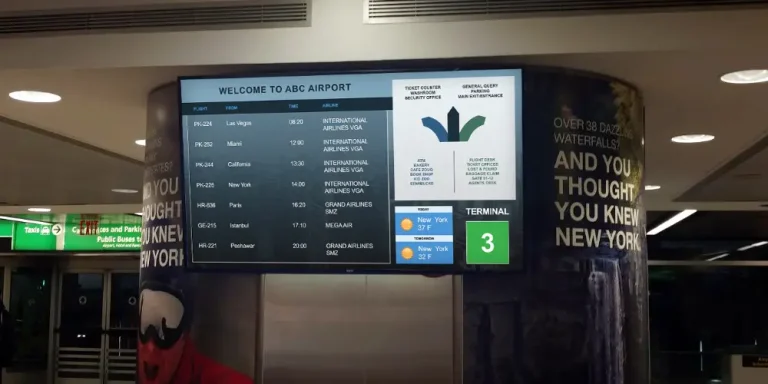
Outdoor digital signage refers to digital display systems installed in open outdoor environments such as building facades, parking lot entrances, commercial streets, and transportation hubs. Compared to indoor digital signage, the outdoor version has unique features in terms of equipment protection, brightness requirements, and content strategy.
Typical deployment scenarios for outdoor digital signage include:
We at Yoda recommend that before choosing outdoor digital signage, businesses first need to clarify their core communication objectives—is it brand exposure, promotional traffic generation, or real-time information dissemination? Different objectives will lead to significant differences in equipment specifications and content strategies.

What core values can Outdoor Digital Signage bring to businesses?
1. Significantly Enhanced Brand Visibility
Outdoor digital signage can effectively capture the attention of passersby in noisy commercial environments with dynamic visuals and bright content. Compared to traditional static light boxes or billboards, outdoor digital signage offers over 40% more visual impact (industry average). Combined with regularly updated content, it can significantly enhance brand awareness within the target area.
2. Real-time Content Updates, Reduced Operating Costs
Traditional outdoor advertising requires manual on-site visits for every material change, resulting in high costs and slow response times. With Yoda’s networked outdoor digital signage, businesses can remotely push and update promotional information, event notifications, or emergency announcements from anywhere via a CMS content management system, virtually eliminating the long-term costs of printing materials and manual replacements.
3. Attracting Targeted Traffic, Improving In-Store Conversion
Studies show that outdoor digital signage located at commercial entrances or along main roads can increase in-store traffic in the surrounding area by 15% to 30%, especially when displaying time-sensitive limited-time offers.
4. Advertising Monetization, Generating New Revenue
For businesses with high-traffic locations (such as shopping malls, gas stations, and hospitals), advertising slots on outdoor digital signage can be leased to relevant brands, converting hardware costs into continuous advertising revenue. Yoda has several client cases demonstrating a return on investment within 18 months.
5. 24/7 Operation Capability
Commercial-grade outdoor digital signage supports continuous operation 24/7, ensuring your brand’s voice is heard day and night, truly achieving uninterrupted brand communication.
How to Efficiently Deploy Outdoor Digital Signage? Complete User Guide
Below is a seven-step deployment standard process summarized by Yoda, applicable to all types of outdoor signage projects:
Step 1: Define Usage Objectives and ROI Expectations
Before formally initiating the project, companies need to answer the following core questions:
Step 2: On-site Assessment and Location Selection
Site selection is crucial for the success of outdoor digital signage projects. Assessment factors include:
Assessment Dimensions | Key Issues |
Sight Accessibility | Can the screen be clearly seen within 15-50 meters? |
Daily Pedestrian/Vehicle Traffic | Does the traffic density at this location meet the expected dissemination goals? |
Ambient Lighting | Is there direct sunlight? A high-brightness screen is required. |
Power and Network | Can existing conditions support power supply and network connectivity for the outdoor screen? |
Regulations and Approvals | Are there local requirements for outdoor billboard installation permits? |
Safety and Security | Is there a risk of vandalism or damage from severe weather? |
Step 3: Choosing the Appropriate Equipment Specifications
For outdoor scenarios, Yoda recommends focusing on the following parameters:
Brightness: The minimum brightness of the outdoor screen should be >=2500 nits. For environments with strong direct sunlight, a high-brightness product with >=5000 nits is recommended.
Protection Rating: Outdoor digital signage should have an IP65 or higher protection rating, capable of withstanding rain, dust, and extreme temperatures.
Screen Size: 43-65 inches is recommended for viewing distances of 10-15 meters; 65-98 inches for 15-30 meters; LED splicing screens are recommended for distances above 30 meters.
Operating Temperature: The operating temperature range must cover -20°C to +60°C. A commercial-grade product with a temperature-controlled cooling system is required.

Step 4: Design an Efficient Content Strategy
Hardware is just the foundation; content is the core driver of business value. Yoda’s content strategy recommendations include:
Step 5: Network and CMS System Configuration
The core competitiveness of modern outdoor digital signage lies in its networked content management capabilities. We recommend prioritizing CMS systems that support the following features:
Step Six: Installation, Debugging, and Safety Compliance
Outdoor installation involves structural and electrical engineering and must be performed by a professional team, ensuring that:
Why Choose Yoda?
Yoda is a manufacturing plant specializing in comprehensive digital signage solutions, possessing extensive product lines and project delivery experience in the outdoor digital signage field:
Contact Yoda for a customized B2B quote for outdoor digital signage -> www.szyoda.com

FAQ — Frequently Asked Questions
Q1: What is the fundamental difference between Outdoor Digital Signage and ordinary outdoor billboards?
Traditional outdoor billboards are static; changing content requires on-site personnel, resulting in long cycles and high costs. Outdoor Digital Signage, on the other hand, is a dynamic, intelligent device that supports remote content management, scheduled updates, and real-time updates, significantly improving operational flexibility and information timeliness.
Q2: Can outdoor digital signage function properly in inclement weather?
Our Yoda commercial-grade outdoor digital signage boasts an IP65 or higher protection rating, operating stably in temperatures ranging from -20°C to +60°C, and resisting rain, dust, and strong winds. A built-in temperature-controlled cooling system automatically regulates the device temperature, ensuring stable operation around the clock.
Q3: What brightness level is sufficient for outdoor digital signage?
For direct sunlight environments, we recommend products with >=3500 nits. For semi-outdoor environments with some shade (such as parking lot canopies), 1500~2500 nits is sufficient. Our Yoda product line covers a complete range of specifications, from standard to ultra-high brightness.
Q4: What are the maintenance costs for an Outdoor Digital Signage system?
Commercial-grade products have an average lifespan of over 50,000 hours. Routine maintenance mainly involves periodic surface cleaning and wiring checks, with a maintenance frequency of approximately 2-4 times per year. The overall cost is far lower than the material replacement costs of traditional billboards.
Q5: Is Outdoor Digital Signage suitable for my business?
As long as your business has a fixed physical location and wants to continuously convey brand information in the surrounding area, outdoor digital signage can deliver quantifiable commercial returns. Yoda offers free selection consultation services and can provide customized advice based on your specific scenario.