How to Choose the Right Electronic Whiteboards for Your Business
Author:Yoda . 2/27/2026
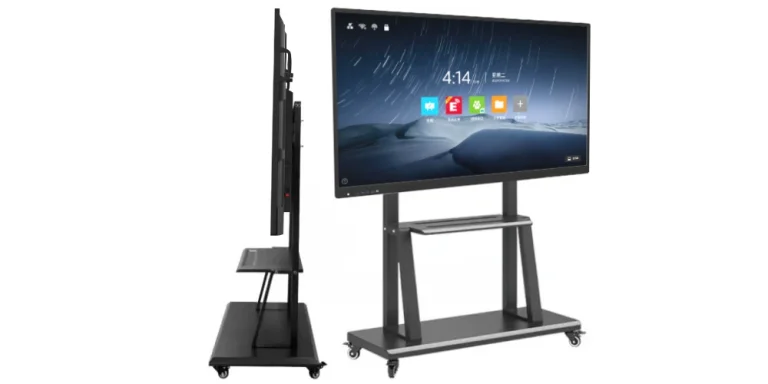
In today’s world, where digital collaboration is increasingly becoming a core competitive advantage for businesses, electronic whiteboards are no longer just screens in meeting rooms; they are intelligent terminals integrating video conferencing, real-time collaboration, and AI-assisted decision-making.
For business owners seeking to improve office efficiency, making the right decision amidst a dazzling array of brands and complex parameters is crucial. Yoda, a leading global expert in smart office solutions, will provide an in-depth analysis from a professional perspective.
Why Do Businesses Need Electronic Whiteboards?
Before deciding, we need to understand the value of electronic whiteboards in the modern business environment.
1. Breaking Geographical Barriers: Through integrated audio and video capabilities, remote teams can brainstorm as if they were in the same office.
2. Improving Decision-Making Efficiency: Real-time annotation, instant saving, and one-click sharing significantly shorten the post-meeting action cycle.
3. Upgrading Brand Image: A high-quality Yoda smart whiteboard is not just a tool, but also a showcase of a company’s technological sophistication and modernity.

Core Selection Criteria: From Performance to User Experience
When choosing electronic whiteboards, price shouldn’t be the only factor; a multi-dimensional analysis is necessary. Here, Yoda analyzes electronic whiteboards from three dimensions:
1. Screen Performance and Visual Experience
2. Touch Technology
This is crucial for evaluating the quality of a smart board for business.
Infrared Touch vs. Capacitive Touch:
Touch Accuracy: Yoda’s “ultra-sensing” touch technology boasts a latency of less than 5ms, providing a natural, pen-and-paper writing feel.
3. System Compatibility and Software Ecosystem
A good interactive whiteboard shouldn’t be an “information silo.”
Precise Matching for Different Scenarios: Yoda’s Scenario-Based Recommendations
Enterprises of different sizes and natures have drastically different needs for interactive whiteboards.
Scenario A: Startups and Open Office Spaces
Scenario B: Boardroom of a medium to large enterprise
Scenario C: Creative studios and design agencies

A Perspective from the AI Era: Future Trends of Electronic Whiteboards
Installation and After-Sales Service: Easily Overlooked Details
Purchasing electronic whiteboards is only the first step; long-term stable operation is the core.
Brands with original factory backgrounds can provide greater assurance in cost control, customization capabilities, and quality stability.

Frequently Asked Questions (FAQ)
1. What size electronic whiteboards should a company choose?
Choose according to the meeting room size and viewing distance. For meetings with 20 or more people, 75 inches or larger is recommended.
2. Is a dual-system solution necessary?
If your business relies on the Windows software ecosystem, a dual-system solution offers greater flexibility.
3. Does it support remote collaboration?
Modern high-end products generally support cloud conferencing and remote sharing capabilities.
Conclusion: Making Collaboration Smarter
Choosing the right electronic whiteboard is essentially choosing a more efficient and inclusive way of working. Yoda is committed to combining display technology with interaction design to create an efficient, intelligent, and sustainably upgradable collaboration platform for businesses worldwide.
Businesses should comprehensively evaluate options based on multiple dimensions, including usage scenarios, technical parameters, system compatibility, brand strength, and future scalability.
If you are looking for electronic whiteboards that can enhance your team’s creativity, Yoda, the manufacturer of electronic whiteboards, is your most trustworthy partner.